

Commercial painting · Southeast Wisconsin
Commercial interior painting that works around your business.
Interior painting for offices, shops, restaurants, apartment buildings and other commercial spaces in Milwaukee and Waukesha County.
- Bonded & insured
- Free, no-pressure estimates
- Written warranty up to 10 years
Offices
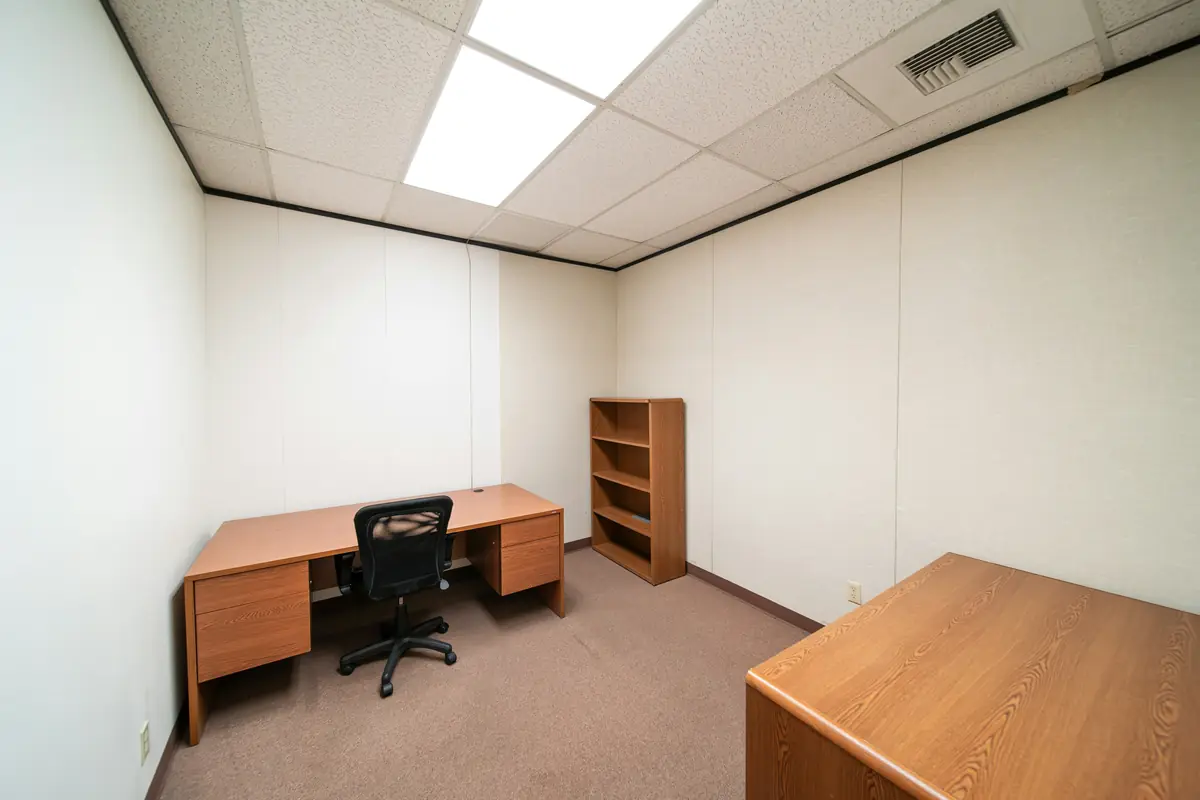
Office and suite painting in Milwaukee and Waukesha County
We plan the job around your hours, protect what stays in the room, and leave the space ready to use.
An office repaint usually has two audiences: the people who work there every day and the people who walk in once. Both notice the same things, such as scuffed corners, a dingy reception wall, a ceiling stained from an old leak. Walls take most of the wear in corridors, around copy rooms and kitchenettes and beside doorframes, where carts, chairs and bags knock them.
Read moreShow less
We plan an office job around the working day. That can mean evenings or weekends, or a floor-by-floor or suite-by-suite plan if the office has to stay open. Furniture is moved and protected, or left in place and covered, according to what the room needs, and desks and equipment are put back where they were. Before work begins we agree what is touched, what is not, and when each area will be ready again.
For a tenant moving in or out, the scope is often a turnover: patch, prime where needed and repaint to a standard color. For an owner refreshing a building, the work is often corridors, lobbies, stairwells and shared restrooms, where consistency from floor to floor matters as much as the color itself.
Retail and restaurants
Retail stores and restaurants: painting while the doors are closed
A store or restaurant loses money while it is closed, so the question is how little closed time the job needs. After-hours and weekend scheduling is the usual answer. A retail space can often be painted overnight in sections, with fixtures covered and the floor protected, and the doors opening on time.
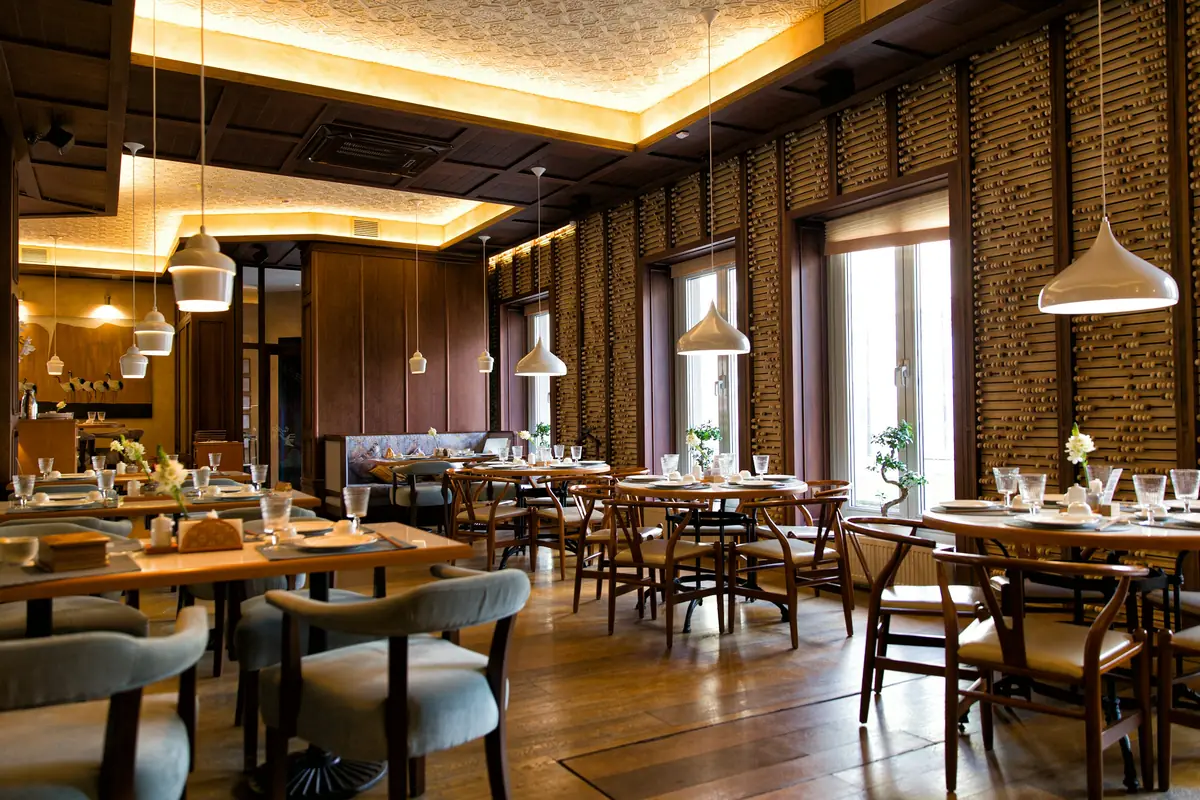
Restaurants have a different set of constraints. Kitchens and dining rooms see grease, steam and cleaning chemicals, so the surfaces need a washable finish and a proper clean before paint goes on. Dining rooms are about atmosphere and the speed of the turnaround. Entry areas and restrooms see the most scuffing. We talk through what the room is used for, what it is cleaned with and when it has to open again, and propose a finish and a schedule to fit.
In both settings, the work is planned in phases so that one area is finished and released before the next begins, which keeps part of the space usable and the job contained.
Apartments and associations
Apartment, multi-family and HOA common areas
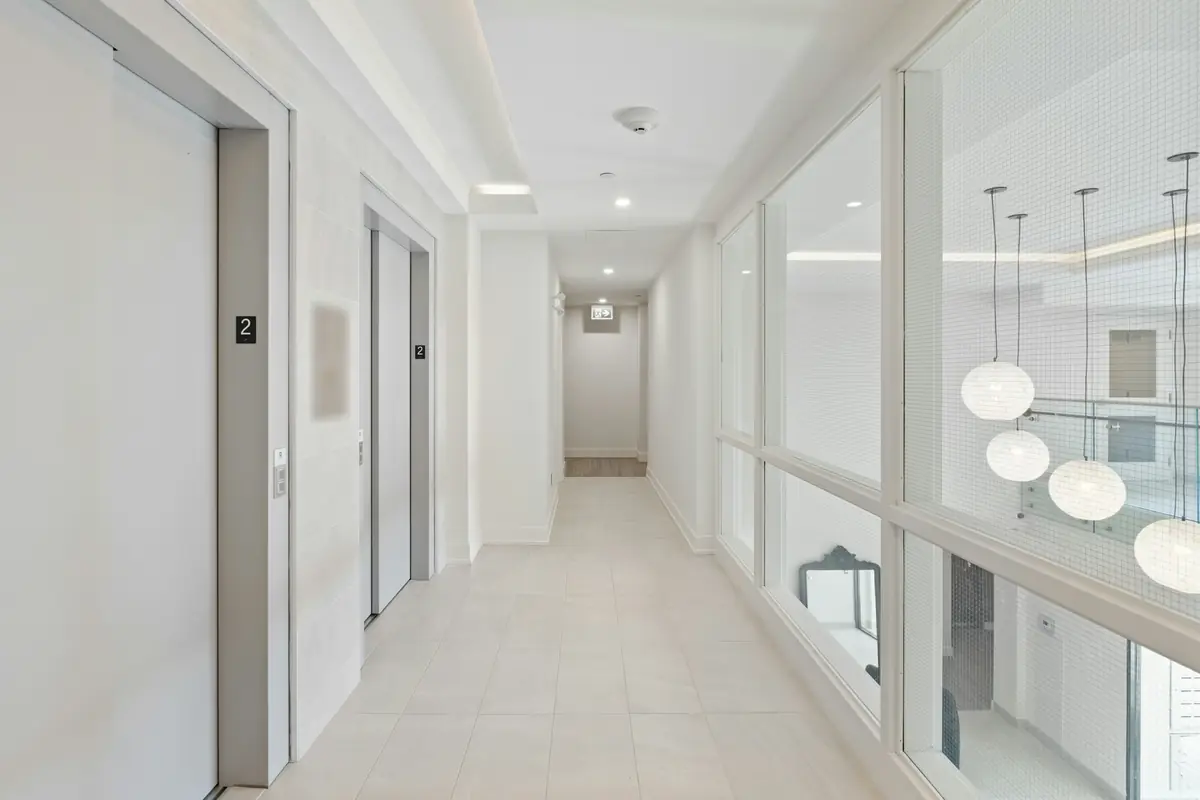
In a multi-family building, residents live with the work in the hallway. Corridors, stairwells, lobbies, laundry rooms and entries are painted while people come and go, so the plan covers notice to residents, wet-paint signage, clear routes through the building and a schedule that avoids the busiest hours of the day.
Unit turnovers are a different rhythm: patch, prime where needed, repaint, and hand the unit back so it can be listed. Property managers often have a set of standard colors for this, and we repeat them from unit to unit. For associations, the same logic applies to clubhouses, shared halls and entryways, with a written scope the board can read and approve.
Occupied buildings
Low-odor, low-VOC options for occupied buildings
When people stay in the building, smell becomes a scheduling constraint. Paint makers sell low-VOC and low-odor interior lines for exactly this reason, and we can specify them when your building stays occupied. A lower-odor finish does not mean the room can be used the moment it is dry to the touch, so we plan ventilation and the time before the space is reoccupied for each job, and we follow the label of the product used.
Dust is the other thing occupants notice. Sanding and drywall repair create it, and it travels. We contain the work area, protect vents and returns where the building allows it, and clean up at the end of each day, so that the next morning looks like a workplace and not a work site.
Before the paint
Drywall repair before paint, so the finish is on a sound wall
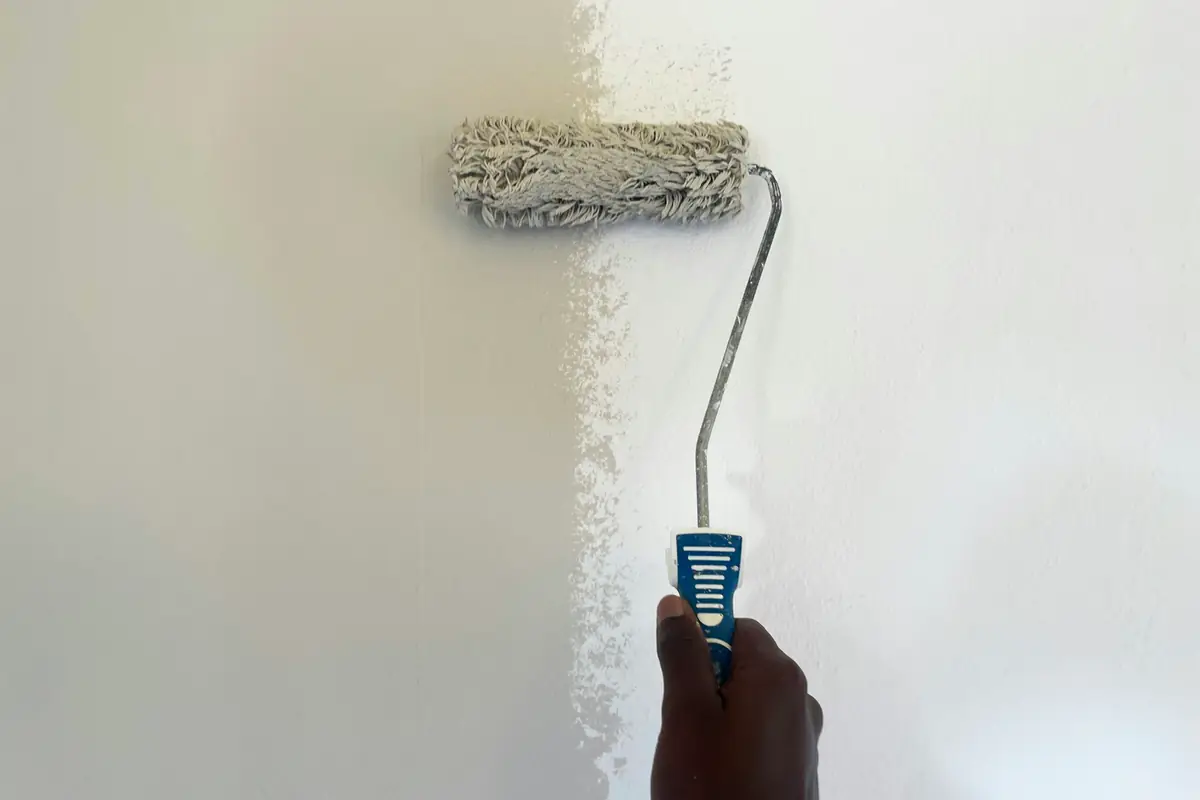
Paint shows what is under it. A gouge, a patched door-handle hole, a crack at a corner or a seam that was never taped will all be visible under a flat or eggshell finish, and more so under strong commercial lighting. We repair drywall as part of the painting scope: fill and sand damage, tape and finish seams, repair water-stained areas once the leak has been fixed, and prime the patch so it does not flash through the topcoat.
A water stain is a special case. The source of the moisture needs to be fixed before the stain is covered, or it returns. If we find one, we tell you what we see and recommend that the cause is addressed first.
The residential interior page shows how we handle drywall in homes. The commercial method is the same, applied to larger areas and to harder schedules.
Older buildings
Lead-safe work in pre-1978 apartment buildings and child-occupied spaces
Lead-based paint was banned in housing in 1978, and a building older than that may carry it under later coats. The federal Renovation, Repair and Painting rule, run by the EPA, applies to work that disturbs paint in housing built before 1978, which includes apartments and rental housing, and in child-occupied facilities such as daycares and schools. It does not automatically apply to every older commercial building, so whether it covers yours depends on how the space is used. The EPA publishes the rule at its Renovation, Repair and Painting program page.
In Wisconsin the Department of Health Services runs the program under EPA authorization and publishes a guide to hiring a lead-safe contractor and a list of certified companies. If your building is an older apartment building or a space children use, ask that question at the start. We do not claim a lead-safe certification on this page, and we will tell you plainly if a job falls under the rule so you can plan for it.
Warehouses, churches and schools
Warehouses, churches, schools and new construction: interiors that serve a different use
Not every commercial interior is an office or a shop. A warehouse or industrial building has tall walls, block or metal surfaces, and floors that may need a coating of their own. A church has a sanctuary with a calendar of services, a hall used by many groups and rooms that need to be back in use by a certain day. A school has classrooms, corridors, gyms and offices that are painted when the building is empty, which usually means summer or a break.
Read moreShow less
Each use sets its own plan. A warehouse job is about keeping aisles and docks open, so we work bay by bay and protect inventory and equipment. A church job is about the calendar, so we plan backwards from the next service or event and finish the visible spaces first. A school job is about the break: a defined window, a fixed number of rooms and a finish that tolerates the daily scuffing of a building full of people. In each case we agree the sequence before the work starts, so the people in charge know which room is available on which day.
New construction is the simplest surface and the hardest schedule. The walls are bare and the paint can be done properly, but it sits between the drywall finishers and the flooring and trim crews, and it moves when they move. We coordinate with whoever runs the site and tell you early when something upstream will push the date.
For floors in a warehouse, garage or shop, see the commercial floors section of our commercial painting page.
Color
Color and brand matching for walls, trim and feature surfaces
A brand color on a wall has to match the logo, the sign and the other locations, and a corridor repaint has to blend into the walls beside it. We work from color names and codes, from a sample chip or from the existing paint, and we recommend a test patch on site before the full job. Lighting changes how a color reads, so a patch approved in the actual room is worth more than a swatch seen under a store counter.
On repeat work across a building, keeping the color names, sheens and products in your own records makes the next touch-up match the last one, and we are glad to confirm what was used. Accent walls, feature surfaces and trim colors are scoped separately from field colors so that the estimate shows what each costs in labor, without putting a number on this page.
Where we work
- Waukesha
- Brookfield
- Menomonee Falls
- Pewaukee
- Elm Grove
- New Berlin
- Muskego
- Hartland
- Delafield
- Oconomowoc
- Milwaukee
- Wauwatosa
- West Allis
- Whitefish Bay
- Shorewood
- Mequon
- Bay View
- Greenfield
- Franklin
Common questions
Can you paint an office while employees are working?
Often, yes, in phases: a suite, a floor or a corridor at a time, with the area protected and released before the next begins. If the work is dusty or smelly, we recommend evenings or weekends. We agree the plan with you before the job starts.
Do you offer low-odor paint for occupied spaces?
Yes. We can specify low-VOC and low-odor interior lines for occupied buildings. We follow the product label for ventilation and recoat times, and we plan when each area is reoccupied.
Can you repaint restaurant dining rooms and kitchens?
Yes, within the hours the restaurant is closed. Kitchens and dining rooms need a washable finish and a thorough clean before painting, and we propose a schedule so the restaurant opens on time.
Do you paint apartment hallways and unit turnovers?
Yes. Common areas are painted with notice, signage and clear routes for residents, and unit turnovers follow your standard colors from unit to unit.
Does the EPA lead rule apply to commercial buildings?
The federal rule covers housing built before 1978, which includes apartments, and child-occupied facilities such as daycares and schools. It does not automatically cover every older commercial building. Check the EPA program page or ask us at the start, and we will tell you whether your job falls under it.
Can you match our existing color?
Yes. We match from a color code, a sample or the existing paint, and we recommend approving a test patch in the building before we start the full job.
Planning an interior repaint for your business?
Free estimate across Waukesha County & Greater Milwaukee. After-hours and weekend scheduling available.
Request an estimate
We’ll call or email to set a time.
Thanks — we’ve got it.
We’ll call or email to set a time.